In 2025, Universitas Pertamina worked with international partners across several fields to develop best practices for addressing the Sustainable Development Goals (SDGs). Through research and innovation networks and joint studies, the university brought partners together to exchange knowledge, compare existing practices, and identify approaches they could adapt to local needs. These partnerships allowed Universitas Pertamina to draw on the experience of researchers and practitioners and contribute to evidence-based strategies for addressing shared sustainability challenges.
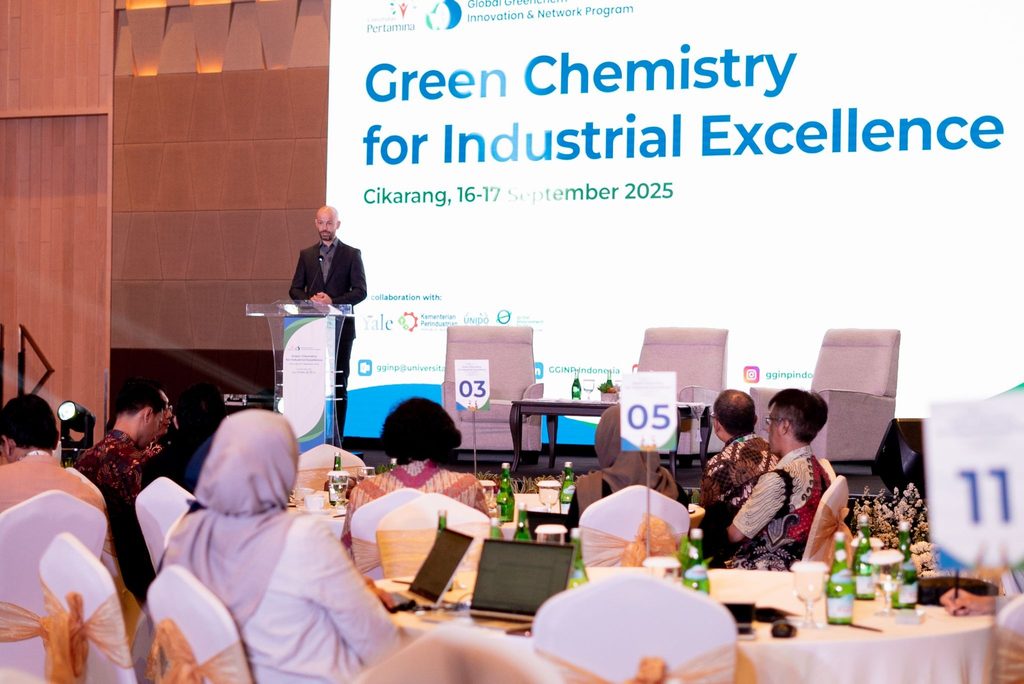
As Indonesia’s national coordinator for the Global GreenChem Innovation & Network Program (GGINP), Universitas Pertamina worked within a network connecting Yale University in the United States with teams in Indonesia, Jordan, Peru, Serbia, Uganda, and Ukraine. The programme promotes cleaner production through the design of chemical products and processes that reduce or eliminate the use of hazardous substances. Through this network, Universitas Pertamina brought researchers and industry practitioners together to compare international case studies with Indonesian experience and identify green chemistry practices they could apply in their own settings.
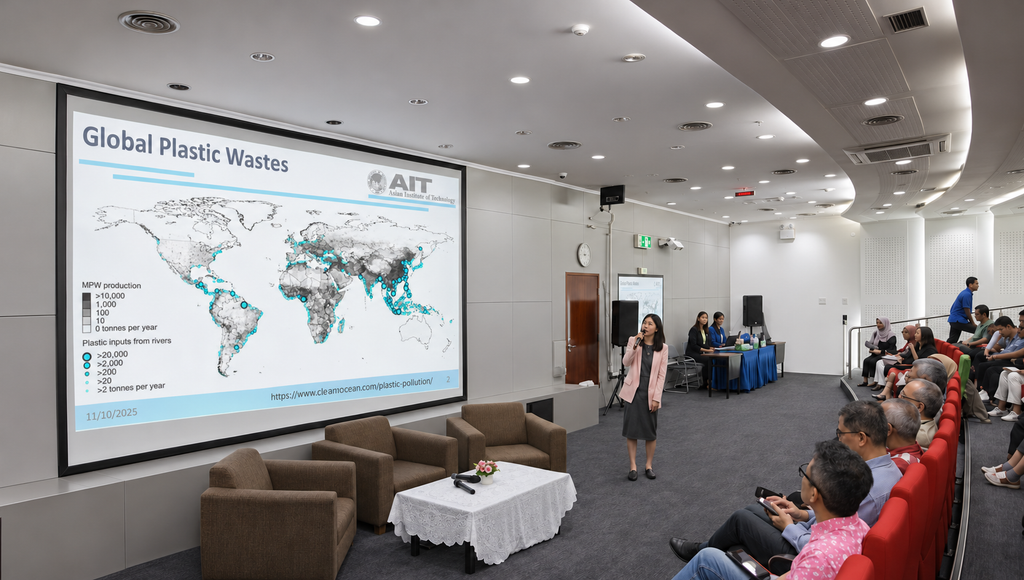
Universitas Pertamina also collaborated with the Asian Institute of Technology in Thailand and Ho Chi Minh City University of Industry and Trade in Vietnam on a project supported by the Asia-Pacific Network for Global Change Research (APN). The partnership addressed microplastic pollution in Southeast Asia, a region where substantial amounts of plastic waste enter the ocean. The research team identified approximately 700 relevant publications, compared findings across the region, and engaged stakeholders to inform strategies for preventing plastic pollution and protecting aquatic environments. By bringing together evidence and experience from Indonesia, Thailand, and Vietnam, the partners strengthened regional research cooperation and contributed to a shared understanding of how to address pollution across national borders.